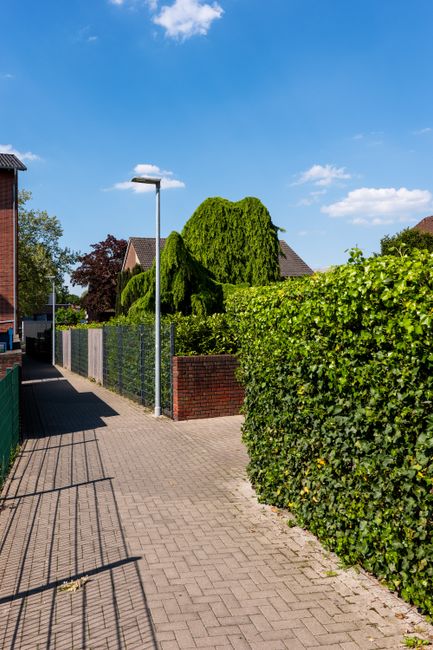
Gardeners near Chislehurst Caves for privacy hedges
If you live near Chislehurst Caves, you probably know the feeling: one day your garden feels peaceful and tucked away, the next it feels oddly exposed. A good privacy hedge changes that in a way fences rarely can. It softens noise, gives year-round screening, and makes a garden feel like yours again. This guide to Gardeners near Chislehurst Caves for privacy hedges explains how to choose the right hedge, how professionals usually approach the job, and what to look out for before you plant, trim, or replace anything.
Truth be told, privacy hedges are one of those garden features people only think about when they're not working properly. Too sparse. Too leggy. Too tall for the space. Or it looked brilliant in spring and then went a bit patchy by August. Let's fix that. Below you'll find practical advice, local-minded considerations, and a clear step-by-step route to a hedge that actually does the job.
Table of Contents
- Why privacy hedges matter near Chislehurst Caves
- How privacy hedge services work
- Key benefits and practical advantages
- Who this is for and when it makes sense
- Step-by-step guidance
- Expert tips for better results
- Common mistakes to avoid
- Tools, resources and recommendations
- Law, compliance, standards, or best practice
- Options, methods, or comparison table
- Case study or real-world example
- Practical checklist
- Conclusion
- Frequently asked questions
Why Gardeners near Chislehurst Caves for privacy hedges Matters
Privacy hedges do more than block a view. In a suburban part of London like Chislehurst, they can define the feel of a whole property. A hedge can stop overlooking from neighbouring upstairs windows, filter the view from a side return, or make a front garden feel calmer and less public-facing. That matters if you use your garden for family time, work breaks, dog time, or, frankly, just sitting with a coffee and hearing yourself think.
Near Chislehurst Caves, gardens often face a mix of mature neighbouring planting, varied boundaries, and spaces that need screening without becoming gloomy. A hedge has to work visually and practically. The right plant choice will suit the light, the soil, and the amount of care you can realistically give it. That last point gets missed a lot. A hedge can be a beautiful solution, but only if it fits your routine. If you don't want to be out there every other weekend, that changes the shortlist immediately.
There's also a neighbourhood reality to consider. One person wants a dense evergreen wall; the next wants something softer and more natural-looking. A good gardener balances both. They'll think about structure, mature size, maintenance, and how the hedge looks from both sides. That small bit of judgement often makes the difference between a hedge that feels elegant and one that feels like a green obstacle.
Key takeaway: the best privacy hedge is not simply the tallest one. It is the one that fits your garden, your boundaries, your maintenance tolerance, and the way you actually use the space.
How Gardeners near Chislehurst Caves for privacy hedges Works
The process usually starts with a site visit or a detailed discussion. A gardener will want to know what you're trying to screen, whether it's a neighbouring patio, a road-facing boundary, or a awkwardly visible corner. Then they'll assess light levels, available space, soil type, drainage, and any existing planting. Simple enough in theory. In practice, those details shape everything.
From there, the gardener will usually recommend one of three routes:
- Planting a new hedge for long-term screening
- Rejuvenating an existing hedge that has gone thin or overgrown
- Combining hedge work with wider landscaping for a layered privacy solution
If the hedge is new, the gardener may prepare the ground, improve soil structure, and plant in a staggered or single line depending on species and spacing. If the hedge already exists, they may prune, reduce height carefully, remove deadwood, and feed or mulch it to encourage denser growth. In older gardens, they sometimes pair hedge work with landscape gardening so the boundary feels intentional, not just patched up.
For many homes, a privacy hedge works best as part of a broader maintenance plan. Regular care through garden maintenance keeps the hedge from becoming misshapen, while structured hedge trimming helps maintain density and height. If the garden needs a full reset first, a garden clearance may come before any planting at all. That's just common sense, really.
A proper service also considers access, waste removal, and ongoing care. A hedge planted in the wrong place can become a yearly headache. A hedge planted well, with the right support from the start, becomes one of the least demanding parts of the garden.
Key Benefits and Practical Advantages
The obvious benefit is privacy, but there's usually more going on than that. A hedge creates a softer boundary than a fence or wall, and that often makes a garden feel more relaxed. You get visual screening without the hard, boxy look that can make small spaces feel boxed in. It's a gentler answer, and in many gardens, a better one.
Here are the practical advantages people notice most:
- Better screening from neighbouring windows, paths, and upper floors
- Natural appearance that blends into the garden rather than dominating it
- Wind filtering that can make seating areas more comfortable
- Noise softening when paired with other planting
- Biodiversity support through flowers, berries, and shelter for birds
- Long-term value when the hedge is chosen and maintained properly
There is a practical mood benefit too, which people rarely mention. A screened garden changes how you use the space. You linger longer. You stop glancing over the fence. Evening light feels more intimate. Even a small side return can feel like a private room outdoors, especially on those soft London evenings when everything goes a bit quiet around dusk.
Another plus: hedges age better than many hard boundary features if cared for consistently. Fences rot, panels blow, and walls need repairs. A healthy hedge still needs attention, of course, but it develops character. A bit of depth. That matters.
Who This Is For and When It Makes Sense
Privacy hedges make sense for homeowners who want a live boundary rather than a rigid structure. They are especially useful if your garden backs onto another property, a shared access route, or a space where sightlines are difficult to control. If you're often outside in the evenings or working from home with the door open, you'll probably notice the difference straight away.
This kind of work is also a good fit if:
- your current hedge is thin, damaged, or too sparse for screening
- you want a boundary that looks softer than a fence
- you need privacy without losing the whole garden to a solid structure
- you want year-round screening, or at least screening for most of the year
- you are trying to improve an overlooked patio, terrace, or side boundary
It may be less suitable if your garden is extremely shaded, the available border is very narrow, or you need an immediate fix. Some hedges take time. That's just the honest answer. If you need instant cover, gardeners often suggest combining planting with temporary screening while the hedge establishes. Not glamorous, but it works.
And to be fair, not every garden needs a wall of green. Sometimes a mixed approach is smarter: a hedge at one point, a trained climber elsewhere, and a screen planting bed where you need height most. A good gardener will say that out loud, even if it means fewer plants sold. That's the sort of honesty you want.
Step-by-Step Guidance
1. Define what you actually need to hide
Start with the view, not the plant. Is it a direct overlook from a neighbour's first-floor window? A footpath? A parking area? A blank fence you want to soften? The answer changes the height, density, and placement of the hedge.
2. Check the growing conditions
Light, soil, and drainage matter more than most people expect. A sunny, free-draining border can support different hedge types from a damp, partially shaded corner. If the soil is compacted or tired, it may need loosening, compost, or other improvement before planting.
3. Choose the hedge style
Think about whether you want evergreen screening, seasonal interest, formal lines, or a more natural look. A dense evergreen hedge gives the most privacy, but a mixed planting may feel more attractive and less severe. There's no universal winner here.
4. Measure the space properly
Measure width as well as height. A hedge planted too close to a path, drive, or boundary will eventually cause friction. You want enough room for healthy growth and safe maintenance. Future-you will thank present-you for not squeezing things in too tightly.
5. Prepare the ground and plant correctly
Ground preparation usually makes a bigger difference than the planting day itself. Clear debris, loosen compacted soil, and water well after planting. Spacing should suit the species and the screening you want. Too wide, and you wait forever for density. Too close, and the hedge competes with itself.
6. Put a care plan in place
New hedges need watering and checking during establishment, especially in dry spells. Established hedges need trimming at the right time to stay compact. If the hedge is part of a wider garden overhaul, some homeowners also book landscaping alongside planting so the whole boundary system works together.
7. Review the result after the first season
Hedges improve with time, but only if they're managed in response to what you see. If one side is thinner, if growth is leaning, or if the base is sparse, small corrections early on can save a lot of trouble later. That first season tells you a lot.
Expert Tips for Better Results
Here's where the small details matter. Good hedge work is often about restraint. Cutting too much, planting too close, or choosing a species for the wrong position can all create problems that take months to unwind.
- Choose density, not just height. A tall hedge with gaps still fails as a privacy screen.
- Think in layers. A hedge plus underplanting or climbers often looks better than one flat green line.
- Trim little and often once established. Light, regular trimming usually keeps hedges denser than occasional severe cuts.
- Don't ignore the base. A hedge that is bare at ground level will feel unfinished, no matter how tall it gets.
- Water deeply rather than frequently skimming the surface. New roots need consistency, not a quick splash and hope.
- Plan for mature width. A neat hedge today can become a problem if it outgrows its space.
In our experience, the most successful privacy hedges near busy or closely built-up areas are the ones that are treated as part of the garden layout, not as a quick boundary fix. That shift in thinking changes the result a lot.
If you want a hedge to feel calm and substantial rather than fussy, avoid overcomplicating the design. Sometimes the best choice is a straightforward species, well planted, with consistent care. Nothing flashy. Just solid, reliable structure.
And one more thing: if you are unsure, ask for a plan that includes the first 12 months of aftercare. It sounds boring. It is not boring when the hedge survives the summer.
Common Mistakes to Avoid
Most hedge problems start before the first plant goes in the ground. It's a bit annoying, but true. The good news is that the same mistakes come up again and again, which makes them easy to avoid once you know what to watch for.
- Picking a hedge that is too large for the space and then trying to hold it back forever
- Assuming all evergreen hedges are low-maintenance when some need regular shaping
- Planting without checking light levels and then wondering why growth is thin on one side
- Ignoring soil improvement in compacted or neglected borders
- Cutting too hard in one go and shocking the hedge
- Forgetting access for future trimming and waste removal
- Expecting immediate privacy from newly planted stock
One common slip is choosing plants because they look brilliant in a nursery row, not because they suit the actual garden. That happens all the time. A plant can look lush in a pot and still be a poor match for a windy, narrow, shady boundary at home. Not ideal.
Another mistake is treating hedges like fences. They're living systems. They move through the seasons, respond to pruning, and can thin out if neglected. If you keep that in mind, you'll make better decisions from the start.
Tools, Resources and Recommendations
Professional gardeners use a fairly simple toolkit, but the quality of the result depends on how those tools are used. For privacy hedge work, the practical kit usually includes secateurs, hedge trimmers, loppers, pruning saws, measuring tools, canes or string for alignment, and the usual protective gear. Clean cuts matter. Safe working matters more.
For homeowners, the most useful resources are often not fancy at all. A tape measure, a notebook, and a few photos of the current boundary can help a gardener understand what you want much faster than vague descriptions. If you can show where the sun hits at different times of day, even better. Early morning and late afternoon light can be surprisingly different, especially in smaller gardens.
When a garden needs broader support, services such as tree lopping and removal may also come into play if overhanging branches are stealing light from the hedge. And if the hedge is only part of a wider outdoor project, the broader services overview can help you see how the pieces fit together.
If you want a more polished result from the start, a gardener should also think about waste handling, access routes, and how much ongoing trimming the hedge will need. Those details sound small. They aren't.
Law, Compliance, Standards, or Best Practice
Privacy hedge work usually sits in the realm of good practice rather than complex regulation, but there are still a few sensible points to keep in mind. In the UK, you should always be mindful of boundary ownership, neighbour relations, and the eventual size of the hedge. If you are planting near a shared boundary, it is wise to agree on the plan where possible before work starts. A calm conversation early on can prevent awkwardness later. Much better than trying to fix tension after the hedge is already in.
Some hedges may be affected by local planning considerations or protected conditions, especially if a tree or mature boundary feature is involved. If the boundary includes larger trees, a gardener may need to consider how pruning and screening affect light, root competition, and structural safety. For health and safety, reputable gardeners should use appropriate equipment and follow sensible working methods, particularly when ladders, height work, or power tools are involved. You can look for clear operational standards in pages such as health and safety policy and insurance and safety where a business makes those commitments public.
Best practice also means being honest about what a hedge can realistically do. A privacy hedge can screen views and soften boundaries, but it is not always an instant sound barrier or a perfect substitute for every hard boundary. A careful gardener will say that plainly rather than overselling it.
Options, Methods, or Comparison Table
Different privacy solutions suit different gardens. If you are choosing between hedge types or deciding whether to combine planting with other features, this simple comparison can help.
| Option | Privacy level | Maintenance | Best for | Notes |
|---|---|---|---|---|
| Evergreen hedge | High | Moderate | Year-round screening | Best when you want consistent coverage, though it needs regular shaping. |
| Deciduous hedge | Moderate | Moderate | Seasonal structure and softer look | Good in some settings, but winter privacy drops. |
| Mixed planting | Moderate to high | Moderate to higher | Naturalistic gardens | Visually rich, though it needs thoughtful design and spacing. |
| Hedge plus fencing | Very high | Moderate | Immediate and long-term screening | Useful when you want instant cover while the hedge matures. |
| Climbers on trellis | Moderate | Moderate | Compact spaces | Helpful where there is not enough room for a wide hedge. |
If you are short on space, climbing plants and trellis systems may make more sense than a full hedge. If you want the most natural-looking boundary and have room for roots and spread, a hedge wins most of the time. The best answer depends on the site, not the trend.
Case Study or Real-World Example
A typical local project might begin with a family garden that feels exposed along one side. The patio is usable, but every conversation seems to drift straight into the neighbour's line of sight. Not ideal, especially in summer when doors stay open and everyone ends up outside at once.
In that kind of situation, a gardener may first clear away tired growth and debris, then assess whether the boundary needs a full reset. If existing shrubs are patchy, they might recommend removal and replacement rather than trying to rescue a weak line. A new evergreen hedge could be planted with enough space to establish without crowding the path. To help the garden feel more finished from day one, the project might also include shape work around adjacent beds and, if needed, broader landscape gardening touches so the new screen feels like part of the whole design.
After planting, the crucial part is aftercare. A well-set watering routine, light feeding if appropriate, and careful trimming once the hedge begins to knit together all make the difference. You do not get instant privacy, but after a season or two, the garden starts to feel enclosed in the right way. Softer. More settled. People often notice they sit outside longer and use the space more often. Simple, but real.
That is the thing with good hedge work. You don't always see the payoff on day one. But when it lands, it changes how the whole garden feels.
Practical Checklist
Use this quick checklist before you hire a gardener or choose a hedge plan:
- Have you identified exactly what needs screening?
- Do you know how much space is available for mature growth?
- Have you checked whether the area is sunny, shaded, or mixed light?
- Do you want evergreen screening or a softer seasonal look?
- Is the soil healthy enough, or does it need improvement first?
- Have you thought about how often you can realistically maintain it?
- Will access for future trimming be straightforward?
- Do you need immediate privacy, or can the hedge establish over time?
- Have you considered combining the hedge with other screening methods?
- Have you asked about aftercare, trimming, and waste removal?
Quick sanity check: if the plan only sounds good on paper but would be a nightmare to maintain in real life, pause. A hedge should make life easier, not sneak in a second job.
Conclusion
Privacy hedges are one of the most rewarding investments you can make in a garden near Chislehurst Caves. They create shelter, soften views, and bring a bit of calm to outdoor space that might otherwise feel too open. The best results come from matching the plant to the site, planning for mature size, and keeping aftercare simple but consistent.
If you want the strongest possible result, work with gardeners who understand both the practical and visual side of hedge planting. That means looking beyond the first impression and thinking about how the hedge will look and behave in two or three years, not just next month. It's a steadier way to build privacy, and usually a better one.
Get a free quote today and see how much you can save.
When a garden feels properly screened, everything else gets easier. The space opens up in a quieter, kinder way.
Frequently Asked Questions
What is the best hedge for privacy near Chislehurst Caves?
The best hedge depends on space, light, and how much year-round screening you want. Evergreen hedges usually give the most consistent privacy, but some mixed or semi-evergreen options can look softer and suit smaller gardens better.
How long does a privacy hedge take to become effective?
That depends on the species, planting size, and growing conditions. Some hedges start providing partial screening fairly quickly, but full privacy usually takes time. A gardener should be honest about the likely establishment period rather than promising instant cover.
Can I get privacy from a hedge in a narrow garden?
Yes, but the choice of plant matters. In tighter spaces, a slim-growing hedge or a structured trellis with climbers may be more realistic than a wide hedge. Good planning is everything here.
How often should a privacy hedge be trimmed?
Most established hedges benefit from regular trimming to keep them dense and tidy. The exact timing depends on the plant type and growth rate. A light, consistent approach is usually better than dramatic cuts once a year.
Do privacy hedges need a lot of maintenance?
Not always, but they do need steady care. New hedges need watering and monitoring, while mature hedges need periodic trimming. If you want very low effort, choose a hedge species that suits that level of care from the start.
Can a hedge replace a fence completely?
Sometimes yes, but not always. A hedge can act as a beautiful living boundary, yet in some gardens a fence gives structure while the hedge provides softness and screening. That hybrid approach is often the most practical.
What if my hedge is already thin and patchy?
A gardener may suggest rejuvenation pruning, feeding, mulching, or replacement depending on the condition of the hedge. If the base is badly bare or the plant is the wrong type for the site, replacement can be the more sensible option.
Are there any rules I should know about before planting near a boundary?
Yes, you should think about ownership, neighbour agreement, future size, and any local planning considerations that may apply. It is wise to keep things clear and polite before work starts. No one enjoys a hedge dispute, really.
How do I choose between hedge planting and landscaping features?
If privacy is the main issue, a hedge is usually the strongest starting point. If the garden also needs structure, levels, or a more complete redesign, broader landscaping may be worthwhile as part of the same project.
What should I ask a gardener before hiring them for a privacy hedge?
Ask what species they recommend, how much space the hedge will need at maturity, what aftercare is required, and whether waste removal is included. It also helps to ask about timing, access, and how they handle boundary concerns.
Can I combine hedge work with other garden services?
Absolutely. Many gardens benefit from hedge work alongside lawn care, clearance, or broader design adjustments. If the whole space needs attention, a joined-up plan often gives the cleanest result.
What is the most common mistake people make with privacy hedges?
Choosing a hedge that is too large, too slow, or too high-maintenance for the garden is probably the biggest one. A good hedge should suit the site first and look good second. The best ones do both, naturally.
If you are planning a privacy hedge near Chislehurst Caves, the smartest next step is usually a proper site assessment and a clear discussion about what you want the garden to feel like. Get that part right and the rest tends to fall into place. One good decision at the start can save years of compromise later.